EN
EN




Why B2B Buyers Trust Hightop Excavators: A Two-Stage Quality Assurance Breakdown
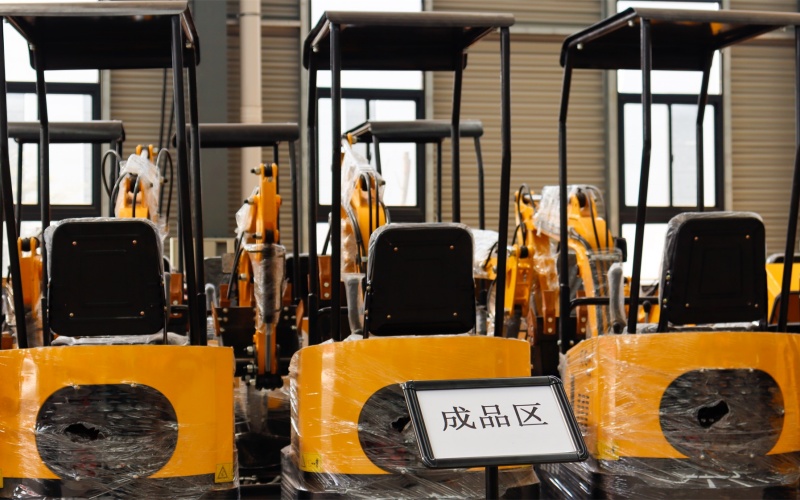
For construction contractors, equipment rental companies, and fleet managers, an excavator breakdown means lost revenue, delayed projects, and strained client relationships. That’s why Hightop builds its quality assurance around one principle: verify everything twice — once on the bench, once in the dirt.
Below is the actual inspection process every Hightop excavator goes through before it is cleared for delivery. No marketing slogans. Just the steps that protect your operational uptime.
Stage 1 – Static Workshop Inspection: Eliminating Hidden Defects
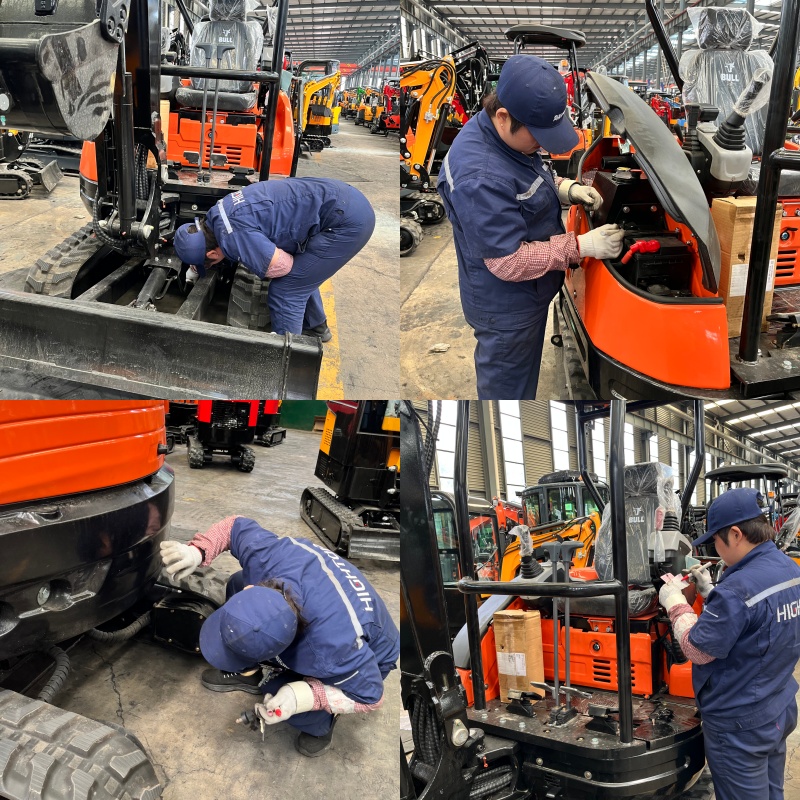
Before any machine sees sunlight, it must pass four internal checkpoints inside the Hightop assembly facility.
A. Structural & hydraulic integrity
Inspectors examine dozer blades, boom pins, hydraulic line couplings, and every bolted joint. Torque values are verified against engineering standards. The goal is zero hydraulic seepage and zero structural loosening — two common failure points in high-hour operation.
B. Cab ergonomics & control precision
Using calibrated test procedures, the team checks joystick response curves, seat adjustment range, instrument panel accuracy, and pedal travel. Each control lever is cycled multiple times to ensure linear, predictable machine behavior. This directly reduces operator fatigue and on-site misoperations.
C. Powertrain & electrical reliability
From battery terminal torque to alternator output, from track pin retention to final drive sealing — every component is signed off. Even high-wear items like track links and sprockets are measured against factory tolerances. Electrical system stability is validated under simulated load.
Stage 2 – Dynamic Field Testing: Proving Performance Under Real Load
Static checks catch assembly errors. Field testing catches everything else.
Full‑machine operational test
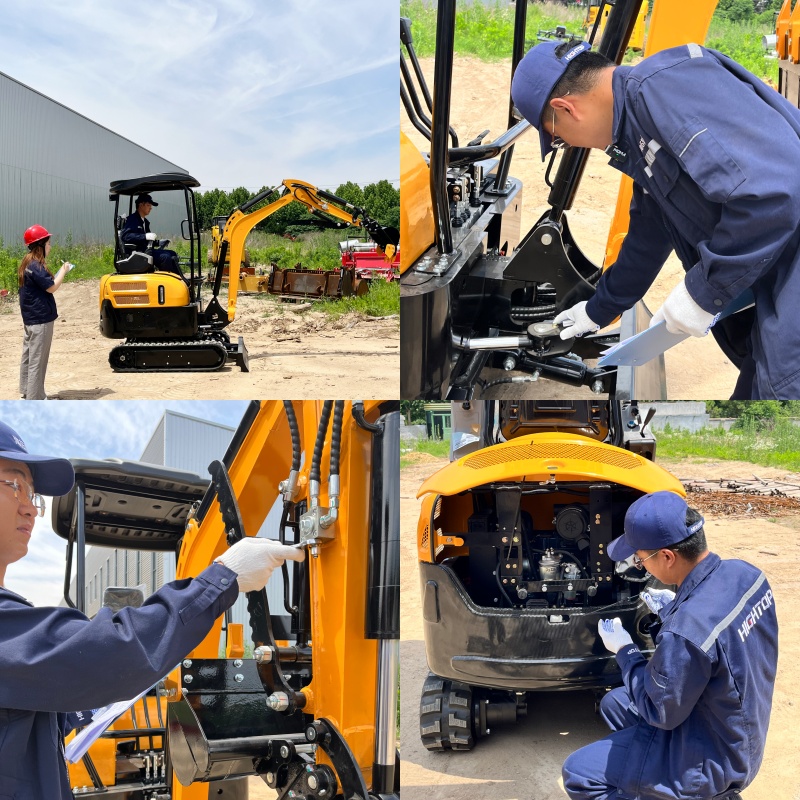
On Hightop’s outdoor proving ground, a test engineer performs a structured sequence: boom lift, bucket curl, swing rotation, dozer blade push, and combined movements. Meanwhile, a second inspector records cycle times, hydraulic pressure stability, and motion smoothness. The excavator must match or exceed published specifications.
Attachment verification (buckets, breakers, augers)
For job‑site versatility, Hightop verifies each attachment’s weld integrity, pin fitment, and hydraulic flow matching. The team confirms that the attachment and the host machine work as a single system — no lag, no misalignment, no premature wear.
Why This Matters for Your Business
Reduced unplanned downtime – Every potential leak, loose bolt, or electrical glitch is caught before the machine reaches your site.
Lower total cost of ownership – Components that pass both static and dynamic tests have statistically longer service intervals.
Predictable operator experience – Consistent control feel across the fleet means faster training and fewer accidental errors.
The Hightop Commitment
We don’t claim “quality” — we document it. Every excavator shipped carries a digital record of its workshop and field test results. For B2B customers, that means transparency, traceability, and a lower risk profile for your equipment investment.
If you manage a fleet, rent machines, or bid on projects that demand reliable earthmoving equipment, Hightop’s two‑stage inspection process is designed for you.